Table of contents
- Floreana Island Galapagos in Plain English (Giant Tortoises)
- If You Hate Early Mornings, Read This (Conservationists)
- Etiquette and Constraints That Actually Matter
- FAQ: Practical Answers, No Hype in Floreana Island Galapagos
- What are the best ways to see the newly released giant tortoises on Floreana?
- How does Floreana's accessibility compare to other Galapagos islands?
- How long do typical cruises last when visiting Floreana Island?
- What unique wildlife can travelers expect to observe outside of tortoises?
- What community benefits arise from the conservation efforts on Floreana? - Next Steps: Build Your Plan
This guide is for travelers seeking to witness critical conservation work in action, specifically the ongoing restoration of Floreana Island in the Galapagos. You'll learn how to plan a visit that allows you to observe real progress—such as the release of giant tortoises—while navigating the logistics, constraints, and conservation tradeoffs that define travel here. If your main interest is seeing ecological recovery firsthand, especially the return of emblematic species, prioritize cruises that specifically include Floreana and emphasize conservation-focused itineraries.
This guide benefits travelers who are comfortable with structured excursions, guided access, and are prepared for limited independent exploration due to strict environmental protections. You'll face tradeoffs between flexibility and ecological integrity: visiting Floreana means giving up on spontaneous travel in favor of expert-led, regulated experiences, with the reward being an intimate view of habitat restoration. Expect to adapt to wet landings, highly restricted movement, and unpredictable wildlife encounters shaped by ongoing conservation interventions.
If your primary goal is observing the resurgence of native species during an era of transformation, align your plans with Floreana-oriented routes. Be ready for the inherent planning limitations and compliance requirements that come with protecting one of Galapagos’ most sensitive islands.
Key Takeaways – Floreana Island Travel Guide
-
The 2026 return of giant tortoises will directly impact how travelers experience Floreana and conservation in the Galapagos—choose itineraries that specifically highlight this milestone.
-
Successful eradication of invasive species has prompted visible rebounds in local wildlife—select routes featuring Punta Cormorant or Devil’s Crown to observe these changes up close.
-
Self-guided exploration is not possible—plan for guided group landings only and limited shore time at designated sites.
-
Skip itineraries that bypass Floreana or treat the island as a brief stop; only targeted cruises with a conservation focus will provide meaningful access.
Floreana Island Galapagos in Plain English (Giant Tortoises)
In 2026, the ecological storyline of Floreana shifted dramatically with the reintroduction of 158 juvenile giant tortoises—a reversal of a loss that began nearly 150 years ago. Unlike simply visiting another island with tortoises, here your presence coincides with the front lines of species recovery, as Floreana’s own Chelonoidis niger niger returns to terrain where nearly 20,000 once shaped the ecosystem’s structure. If you value witnessing hands-on conservation results, this is a rare window.
The selective breeding program on Santa Cruz, informed by DNA findings from hybrid tortoises on Isabela, now underpins restoration work poised to re-engineer nutrient cycles, vegetation, and landscape function on Floreana itself. The newly introduced tortoises are young and adapt gradually; sightings require patience, naturalist interpretation, and strict protection of their foraging areas. Tradeoff: Do not expect high-frequency encounters or open access—conservation protocol dictates when and where you visit. If seeing native tortoises return to one of the Galapagos’ most altered ecosystems matters most to you, prioritize expedition cruises with restoration site access over generalist island-hopping.
.jpg?alt=media&token=c7dea24f-2e6d-4ed5-a120-bdcec0ba2b80)
If You Hate Early Mornings, Read This (Conservationists)
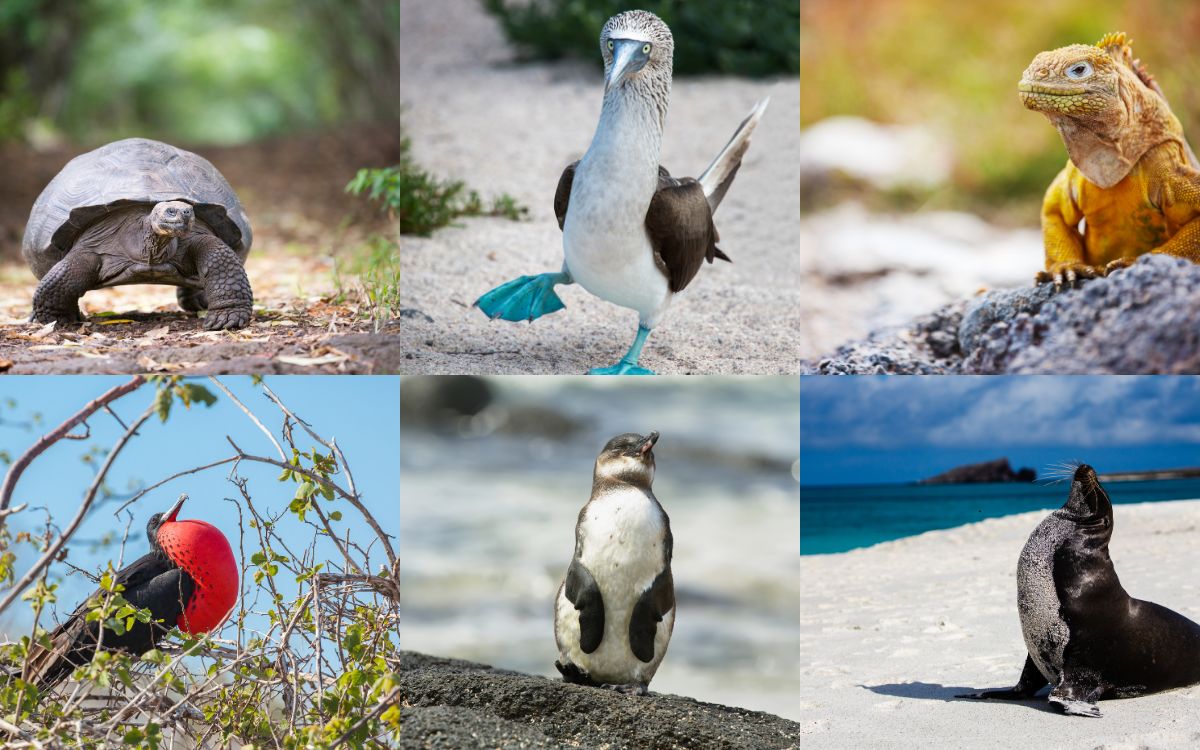
Ecological recovery timelines—not leisure scheduling—shape most Floreana experiences. The rapid restoration following the removal of invasive rats and cats has set the pace for both wildlife and visitor access, making early-morning landings standard for maximizing encounters with native species above—including the shy reintroduced tortoises and growing bird populations such as the returned Floreana mockingbird. If you’re a conservation-oriented traveler, you’ll value these field timing pressures as they allow for observing animal behaviors during peak activity, even if it means sacrificing sleep or flexibility.
Visitors are guests in a managed experiment: ongoing species reintroductions like the Galapagos hawk require strict exclusion zones, and unpredictable weather can further affect your access. Tradeoff: choose Floreana if you want to experience a working restoration, but accept that witness events may be dictated by biosecurity checks, scheduled group transit, and sometimes abrupt changes due to habitat management. Species presence is cyclical—bird sightings and tortoise visibility often fluctuate with timing and habitat status. Anchor your expectations to the rhythm of ecological restoration, not a traditional wildlife-spotting schedule.
Choose Your Floreana Moment: Two Endemic Cruise Routes That Bring You Here
Floreana isn’t just a beautiful stop—it’s where Galápagos conservation is happening right now, in real time. If you want your trip to include the island’s most iconic visitor sites (like Devil’s Crown, Post Office Bay, and the Baroness lookout) while still experiencing the “big-name” wildlife moments elsewhere in the archipelago, these Endemic itineraries are strong, practical options. Pick the trip length that fits your schedule—and let Floreana be the highlight you’ll talk about long after you’re home.
-
6-Day Itinerary E (Endemic Catamaran)
Best for: a compact, high-impact trip with Floreana + Genovesa + Bartolomé highlights. -
8-Day Itinerary B (Endemic Catamaran)
Best for: a deeper Southern Islands route with more island variety and more wildlife “range,” including Floreana. -
4-Day Itinerary D (Endemic Catamaran)
Best for: a short escape that still includes Floreana’s top sites plus Bartolomé and North Seymour.
Etiquette and Constraints That Actually Matter
Unlike many other islands, Floreana’s fragile recovery means access comes with non-negotiable protocols. If your approach to travel emphasizes flexibility, know that independent movement is entirely off-limits; you’ll move in small, guided groups led by the same certified naturalists tasked with ensuring both guest safety and habitat protection. If maximizing wildlife observation without crowding is important to you, this structure is an advantage, but it also means your time at each site is tightly scheduled and group size is dictated by conservation requirements.
- Guided Tours Only: Every landing at Floreana is group-guided—attempts to explore alone result in denied access. If you’re looking for solo discovery or unstructured adventure, this is the wrong island.
- Biosecurity Protocols: You’ll undergo mandatory bag checks and footwear sanitizing both on arrival and before transfers between landing sites, which is time-consuming but vital due to recent eradication success. Failure to comply risks harming current restoration progress.
- Respect Wildlife: Required distances are enforced by guides, especially around nesting birds and newly released tortoises, limiting photo opportunities and proximity even if animals seem approachable.
- Limited Group Sizes: Smaller group excursions mean fewer chances for lively crowds or social mixing—be prepared for focused, quieter observation. The upside: minimal wildlife disturbance and greater interpretive detail.
Physical constraints—like slippery rocks on shore or the need to embark/disembark via small boats during changeable sea conditions—require steady balance and mobility. If these are concerns, consult your operator before booking.
FAQ: Practical Answers, No Hype in Floreana Island Galapagos
What are the best ways to see the newly released giant tortoises on Floreana?
Direct sightings of the newly reintroduced tortoises remain rare, as their adaptation to the wild is closely managed and access to their core release zones is controlled. Choose itineraries that feature in-depth restoration site visits led by knowledgeable guides, improving your chance for observational learning even when tortoises stay hidden.
How does Floreana's accessibility compare to other Galapagos islands?
Access to Floreana is fundamentally more restricted than islands like Santa Cruz or San Cristobal—only guided cruises with set landing schedules reliably reach it. The limited local infrastructure and lack of regular inter-island transport mean that most independent travelers will find planning a visit challenging. If certainty and depth of access are your priorities, cruises are the preferred strategy; flexibility and self-guided exploration are not options here.
How long do typical cruises last when visiting Floreana Island?
Time on Floreana is generally limited to half-day or single-day stops, nested within broader Galapagos itineraries. Selecting longer itineraries may yield expanded exploration windows or repeat visits, but expect each landing to be programmed, with fixed activity slots such as hiking, snorkeling, and restoration briefings.
What unique wildlife can travelers expect to observe outside of tortoises?
Besides reintroduced tortoises, focused landings at spots like Punta Cormorant can provide opportunities to view flamingos feeding in brackish lagoons, green sea turtles nesting on sandy beaches, and endemic birds including several finch species. As the restoration continues, expect gradual—rather than instant—expansion in visible wildlife diversity, shaped by seasonal and ecological recovery.
What community benefits arise from the conservation efforts on Floreana?
The active eradication of invasive species and restorative management have both boosted local farming yields and drawn conservation tourism, offering sustainable sources of income for island families and supporting community infrastructure. Choosing conservation-centric tours helps reinforce these ongoing local benefits, but expecting quick or dramatic economic changes would be unrealistic given the slow pace of ecological recovery.
Next Steps: Build Your Plan
Floreana’s transformation, marked by the giant tortoise return, is a rare chance to experience conservation in real time. Rather than a conventional Galapagos visit, travel here means immersing yourself in ecological recovery with guarded access, tight schedules, and the reality that restoration is always a work in progress. If you want to track these changes firsthand, build your trip plan around vessels and itineraries that emphasize Floreana’s evolving habitats, even when this means trading spontaneous exploration for guided rigor.
Review cruise routes thoroughly: prioritize those incorporating extended Floreana landings and active conservation engagement, not just a routine stop.
To fully engage with Floreana’s unfolding restoration, focus on routes that align with your interest in direct observation of species recovery and landscape rehabilitation. Choosing cruises with a conservation story woven into the itinerary, even at the cost of flexibility, anchors your experience in the reality of Galapagos ecological change.